
How to avoid microplastics? Plastics all around you, plastics inside you
Microplastics have become uninvited guests to planet Earth’s veins and ours, too; in this post, you’ll learn what they are and how to avoid them.

Sometimes, it’s hard to believe that plastics have only been around for about 116 years. Plastic usage has become ubiquitous. If you look around, I challenge you not to find something made of plastic. Still, this ingenious human invention has resulted in a toxic pollution problem.
I remember the first time I heard that Plastics take a long time to biodegrade. In my mind, I thought they remained intact through all of those years. Well, it turns out many of them break down into microplastics, minute invaders that surround us and are so prevalent that they are also inside of us.
These minuscule pollutants aren’t just tarnishing our beautiful planet but could also be weaving their way into our health fabric.
This post will define microplastics, their potential impacts , and how we can combat this invisible threat. Are you curious to learn more? Let’s dive in together.
Key Takeaways
- Microplastics are tiny plastic pieces smaller than 5mm, coming from big plastic items breaking down and some products on purpose. They are not just in our oceans but also in the air we breathe and the food we eat.
- Microplastic, as big plastic, can take hundreds or even thousands of years to fully break down.
- These tiny plastics harm sea animals by making it hard for them to eat or breathe. For us humans, they might be risky since they can get into our bodies through food and water, possibly releasing harmful chemicals.
- We can fight microplastic pollution and avoid microplastics by progressively switching to items made of natural materials and using less plastics overall.
What Are Microplastics, and where do they come from?
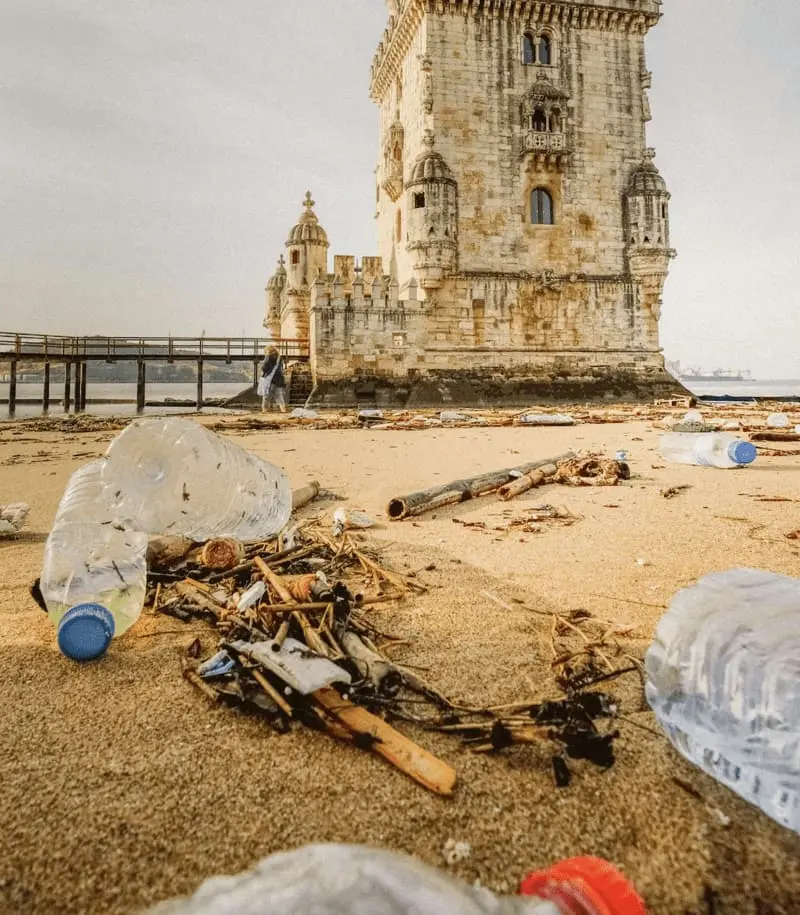
Microplastic is very small plastic. Microplastics are tiny plastic particles less than 5mm in size. They pose the same eco-concerns as larger plastics since they can take hundreds to thousands of years to fully break down. They come from various sources, including:
Larger plastics: The breakdown of larger plastics, like bottles, bags, containers, packaging materials, and tires. Plastic materials and materials that contain plastic additives.
Cosmetics: microbeads in personal care products such as exfoliants and tiny plastic beads in products like face scrubs and toothpaste.
Synthetic clothing: microfibers from synthetic fabrics, such as polyester and nylon in clothing, contribute to microplastic pollution.
Industrial waste: Both physical and water waste from product manufacturing, contributes to microplastics, as many water treatment processes cannot filter microplastics.
Where do the rest of microplastics come from? well… everywhere. Our clothes are mostly made of plastic, our furniture, painting, and even seeds are regularly coated in plastics (to prevent early germination), and our tires shed tiny plastic on the roads.
All the previous examples were made of natural materials in the recent past, clothes (cotton, linen), tires (real rubber), and seed coatings (natural waxes), but we’ve traded good, lasting, inexpensive solutions for short-term savings at a huge, cost by switching most materials to plastic. Not only is the fact that plastic comes from the polluting oil industry problematic, but also, because of all the harmful chemicals it contains, recycling or disposing of it in a safe way is not entirely possible.
Microplastics all around us
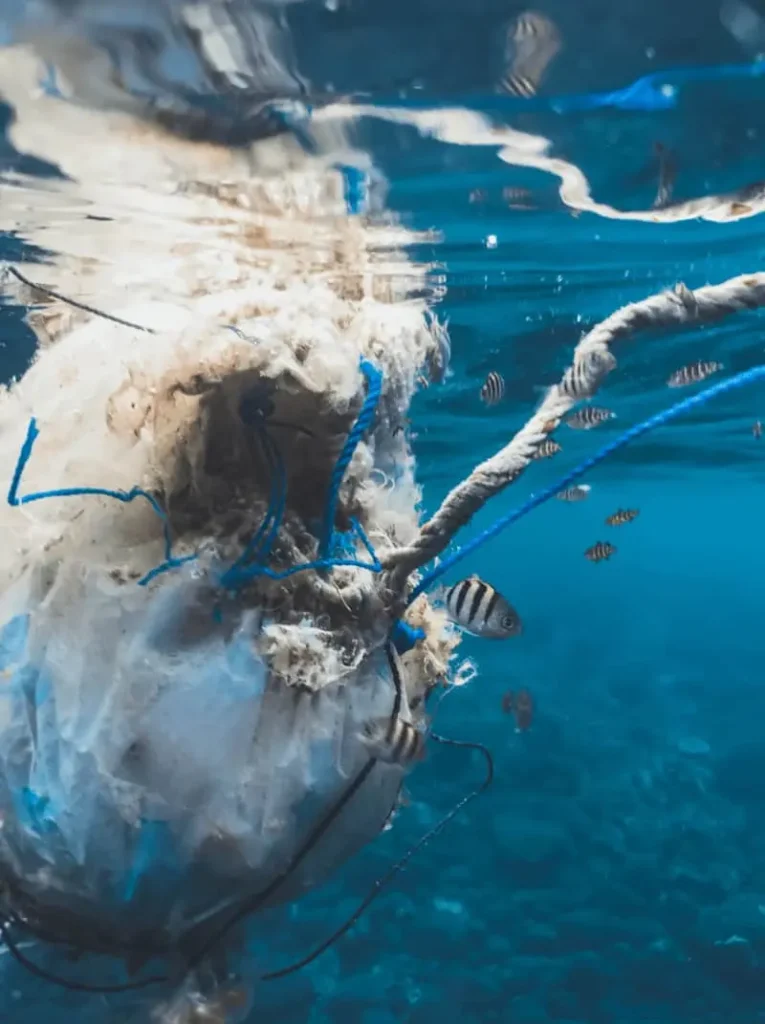
Microplastics, tiny plastic particles, are found in oceans and rivers and impact aquatic life. They can also be present in the air and in the food we consume.
The widespread presence of microplastics in ocean waters poses a significant threat to marine ecosystems and biodiversity. Microplastics harm aquatic life by blocking digestive tracts and altering feeding behavior, leading to starvation in marine creatures. These tiny plastic particles also carry diseases and can damage fish’s gills, affecting their breathing ability.
The ingestion of microplastics has been observed in a wide range of aquatic species, from tiny zooplankton to giant whales. This widespread contamination can lead to bioaccumulation within the food chain, ultimately affecting human consumption.
The degradation of fishing gear and nets made of synthetic polymers contributes to the release of microplastics into the environment. Agricultural activities such as the use of plastic mulch for crops can also fragment plastics, thus releasing microplastics into soil and water bodies. As they have become so ubiquitous it is far more complicated, if not impossible to avoid microplastics altogether.
READ MORE >>> ➜➤ → Is Plastic the Secret Ingredient in your Beauty Products? Learn How to Avoid Microplastics in your Beauty routine
READ MORE >>> ➜➤ → Everyday Plastic items to ditch and Alternatives To Switch To Today
The Impact of Microplastics Inside Us
Microplastics can enter our bodies through food and water, potentially leading to health issues. These particles inside us have raised concerns about their impact on human health.
How microplastics enter our bodies
Since they are so widespread, microplastics enter our bodies through ingestion, breathing, and drinking.
When we consume seafood contaminated with microplastics through ingestion, food wrapped in plastic, or vegetables grown in plastic-lined soil, these tiny particles can transfer into our digestive systems. They can also be transferred via inhaling airborne microplastics or drinking water containing microplastics.
For instance, microplastics have been found in table salt, honey, and even drinking water, as microplastics from synthetic Fibers have been found in 83% of the World’s Tap Water. Due to their pervasive presence in the environment, they may release hazardous chemicals and pose potential health risks once inside the body.
Potential health consequences
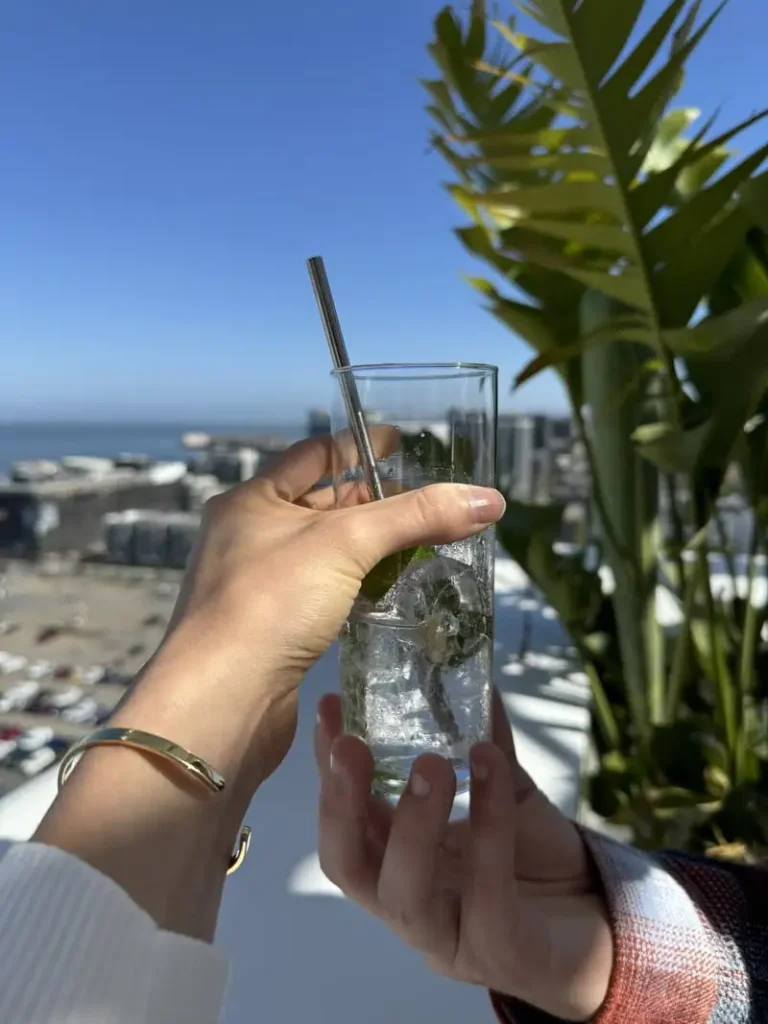
Microplastics pose potential health risks to humans, primarily by entering our bodies through the consumption of contaminated food and water. Upon ingestion, these tiny plastic particles may release harmful chemicals and toxins, potentially leading to hormonal imbalances, organ damage, and accumulation in our tissues.
The inhalation of airborne microplastics also raises concerns about respiratory system implications and adverse human health effects. Likewise, wastewater treatment plants may only effectively remove some microplastics, which then make their way into water bodies.
Microplastics in the food chain raise concerns about their impact on human health, especially as they continue to permeate consumer products and contaminate oceans. Despite ongoing research efforts, the full extent of the impact on human health remains to be determined due to their pervasive presence in everyday products and the environment.
Many endocrine disruptors used widely in plastic polymers have been linked to hormonal imbalances in women as well as the disturbance of male hormones and a notable drop in sperm counts worldwide.
Harmful chemicals in some plastics, such as bisphenols and phthalates, are ubiquitous. This is not only true for obvious plastic items but also food cans, most business receipts, all of your devices, and furniture—basically everywhere.
How to avoid microplastic pollution?
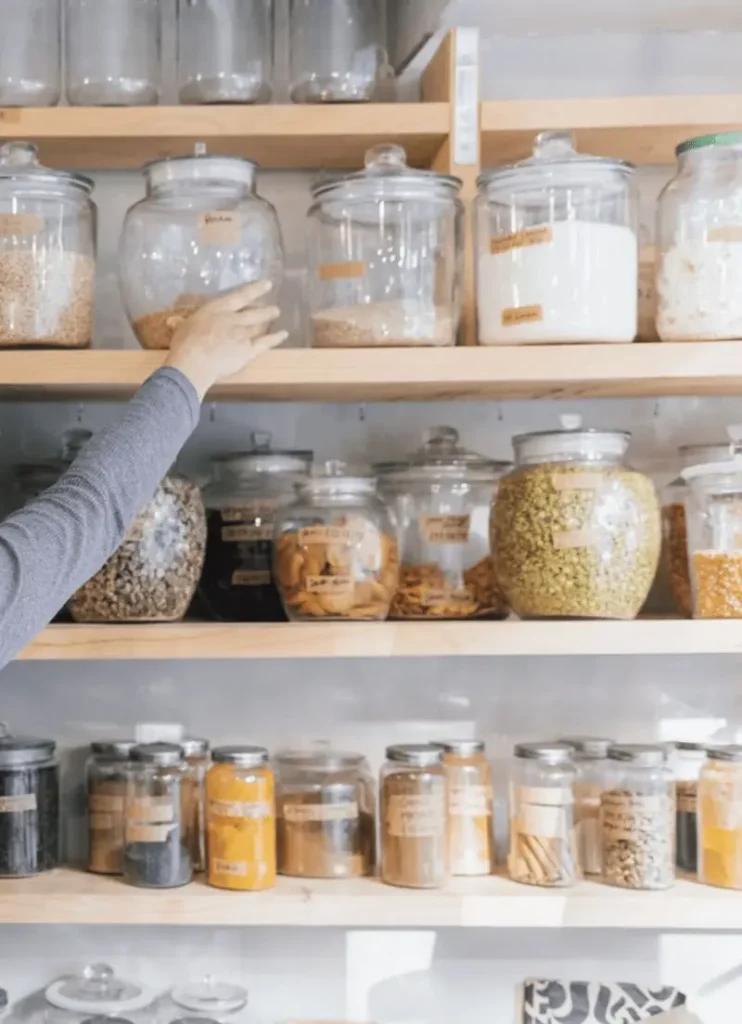
As you can see, fully avoiding microplastic exposure isn’t entirely possible, given its widespread span. Nonetheless, though I know what you may be thinking, looking at this dire scenario, there is no need to freak out. There are things you can do to both reduce your exposure to microplastics and slow down microplastic pollution.
If you want to get started replacing plastic items around you
CHECK OUT THIS POST ➜➤ → Plastic items to ditch and Alternatives To Switch To TODAY
Simple things you can do are:
- Avoiding drinking water from plastic water bottles
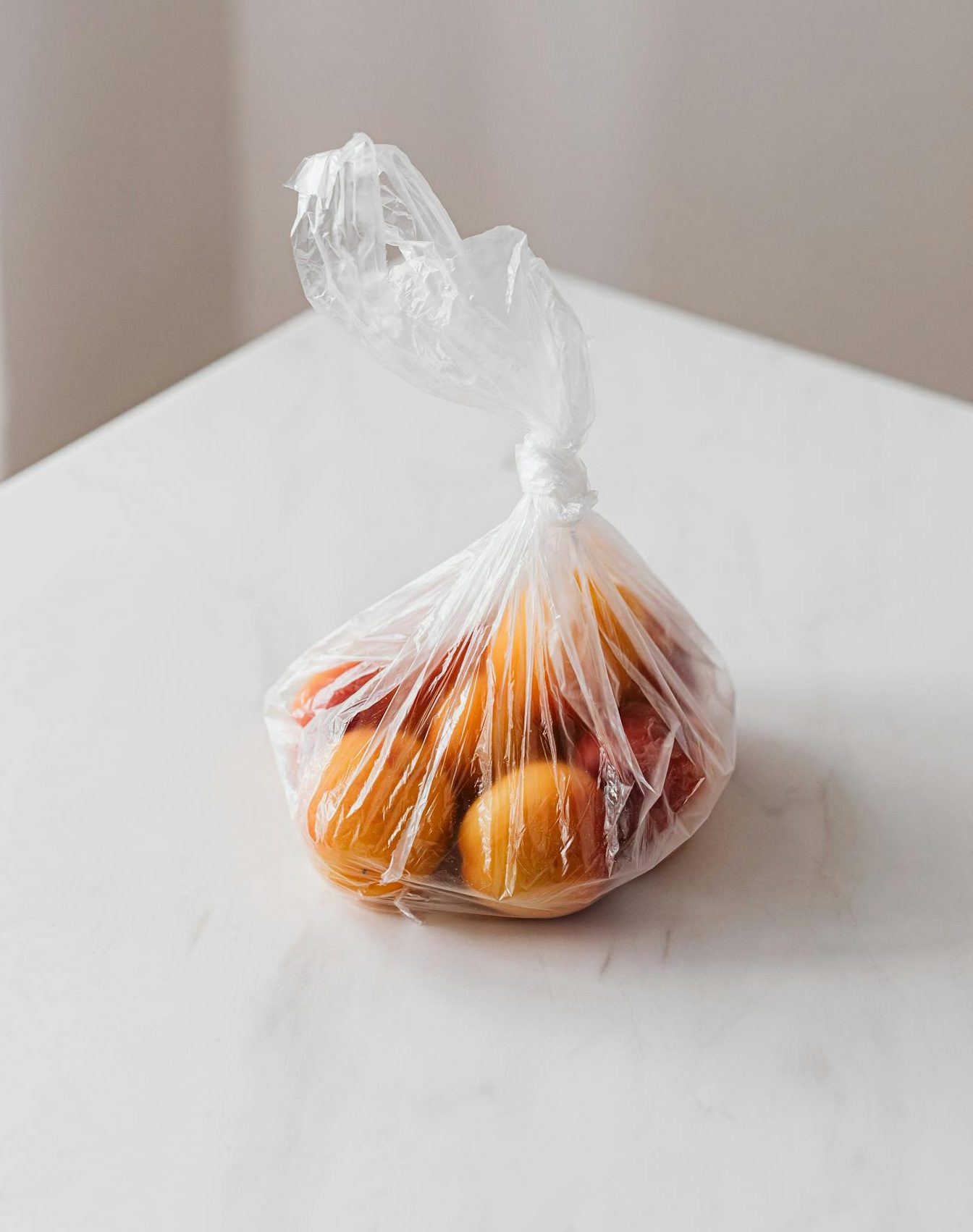
- Favoring food wrapped in cardboard instead of plastic
- Use a water filter to lessen microplastics in water.
- Using personal care products without plastic ingredients
- Reducing your overall plastic usage
- Choosing natural fabrics like cotton, linen, and wool over synthetic materials, when it is time to replace fabrics or give plastic fabrics a second life by shopping already used fabrics
- Using a microfiber filter in the washing machine.
- Reduce single-use plastic consumption by using reusable water bottles, bags, and containers.
- Properly dispose of plastic waste to prevent it from entering waterways.
- Favor biodegradable products.
- Ask brands to reduce plastics and consider switching or going back to using natural materials.
Microplastics are like annoying little party crashers in our environment, tiny plastic pieces that affect and pollute life forms and natural elements of the planet, prompting concerns about their long-term effects. These pervasive particles can be, and their pollution can be challenging to avoid altogether, but personal action to reduce and avoid microplastic can decrease both pollution and exposure.
FAQs
- What are microplastics?
Microplastics are tiny pieces of plastic that can be found in the ocean, our food, and even inside us. They come from larger plastic debris that breaks down.
- Can we end up eating microplastics?
Yes, we might ingest microplastics without knowing it because of food contamination. These plastics get into our food from the environment.
3. What else can we do to avoid microplastics?
To avoid microplastics, you can eliminate your single-use plastic consumption, use biodegradable alternatives, and support policies promoting plastic reduction.
- Should we worry about microplastics?
Given microplastics’ impact on humans, animals, and water bodies, they can be a cause for concern. However, don’t freak out; do the best you can to reduce your plastic consumption and usage.
OVER TO YOU
What small action will you take to reduce microplastic pollution and your exposure?
Has this blog post helped you? If so, I’d love to hear about it! Let me know in the comments below. I’d also love to hear from you if you have any extra tips for avoiding microplastics.
Save to read later


Very informative post and becoming more aware of plastics, thanks for your post
thank you, let me know if you have any questions