
5 Easy Sustainable Home Improvements for a Healthier House
Want to make your house more sustainable? Here are 5 sustainable home improvements that can create a healthier space.
Affiliate Disclosure: This post contains affiliate links. Purchases made through such links will reward me with a small commission at no extra cost to you. As an Amazon Associate, I earn from qualifying purchases.
In today’s world, sustainability is more than just a buzzword; it’s a necessary principle to implement. As we become increasingly aware of the environmental impact of our actions, adopting sustainable practices in our homes is crucial for the health of all.
Thankfully, simple upgrades can make creating a healthy living space possible through friendly home improvements. In this blog post, we’ll explore five simple yet effective green home improvements that can make your home more eco-friendly and budget-friendly.
What are the benefits of a Sustainable House?
Sustainable house improvements are crucial for creating a healthy living space inside (our home) and outside (our shared planet) the house. By using eco-friendly materials and energy-efficient appliances, you can reduce your carbon footprint, lower your utility bills, and create a healthier living space.
Sustainable practices, such as proper insulation, ventilation, and water conservation, also contribute to better indoor air quality and overall well-being. Investing in sustainable house improvements not only benefits the occupants and supports long-term health but is also a great way to be eco-friendly and save money.
What home improvements could make a house healthier and more eco-friendly?
1. Energy-Efficient Lighting & Appliances
Switching to energy-efficient appliances can significantly lower utility bills and reduce carbon emissions. By using less electricity, these appliances help decrease the demand for fossil fuels, reducing greenhouse gas emissions that contribute to climate change.
Additionally, energy-efficient appliances often have features such as smart technology that further save on energy costs. Making the switch is a simple yet impactful way to benefit the family’s wallet and the planet. One of the easiest ways to reduce energy consumption in your home is by switching to energy-efficient lighting options.
Replace traditional incandescent bulbs with LED or CFL bulbs, which use significantly less energy and last much longer. Additionally, consider installing motion sensors or timers to automatically turn off lights when they’re not in use, further reducing energy waste. When selecting energy-efficient appliances, look for Energy Star-rated models to save on utility costs and reduce your carbon footprint. These appliances are designed to use less energy without sacrificing performance.
2. Installing Solar Outdoor Lighting:
A simple home improvement is solar outdoor lighting. These nifty fixtures soak up the sun’s rays during the day to power LED lights at night. Pretty cool, right? And the best part? They don’t even need electricity! That means you’re shrinking your carbon footprint while making your outdoor space look better.
So, how do they work? Well, it’s simple, really. They harness solar energy and turn it into electricity. Each light comes with a little solar panel that soaks up sunlight and turns it into electricity to charge a battery. When the sun goes down, voilà! Your lights are good to glow.
And setting up? It’s Easy! You can put them anywhere you want because they don’t need wires or plugs. You can put them on paths, in the garden, or even on your patio. They not only make your place safer, but they also make it feel more cozy.
3. Water conservation Improvements
Ever notice how those old-school water fixtures seem to have a mind of their own? They just can’t stop dribbling and leaking, which increases your utility bill.
But fear not—there’s a simple solution: upgrade to efficient fixtures. It’s like giving your home’s water system a superhero makeover. One drop at a time saves the day (and your wallet).
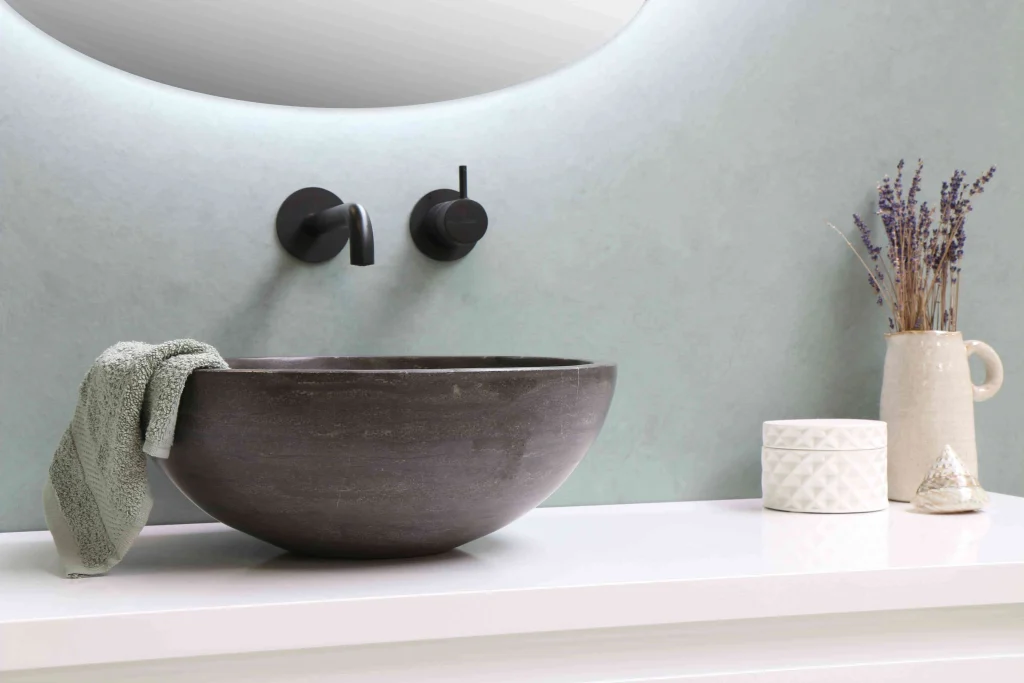
It only takes a few simple changes, like tightening up those faucets that leak and replacing your showerhead and faucets with ones that use less water. These changes, even though they look small, will help you save a lot of water.
Other simple changes like installing low-flow showerheads, faucets, and toilets can significantly reduce water usage in your home. You’ll feel good about helping the environment while growing your bank account. Everything works out for everyone.
4. Sustainable Materials
Traditional building materials such as paints, adhesives, and insulation can release harmful chemicals into the air through a process called off-gassing. These chemicals, known as volatile organic compounds (VOCs), can contribute to indoor air pollution and have been linked to various health issues, including respiratory problems.
Investing in eco-friendly, low-VOC, or non-toxic alternative materials can minimize exposure to these substances and help create a healthier indoor environment for occupants. When renovating or furnishing your home or apartment, opt for eco-friendly and responsibly sourced materials.
Choose renewable materials such as bamboo or cork for flooring, and look for furniture made from reclaimed or sustainably harvested wood. If possible, avoid products containing harmful chemicals like VOCs (volatile organic compounds) by opting for non-toxic paint and finishes.
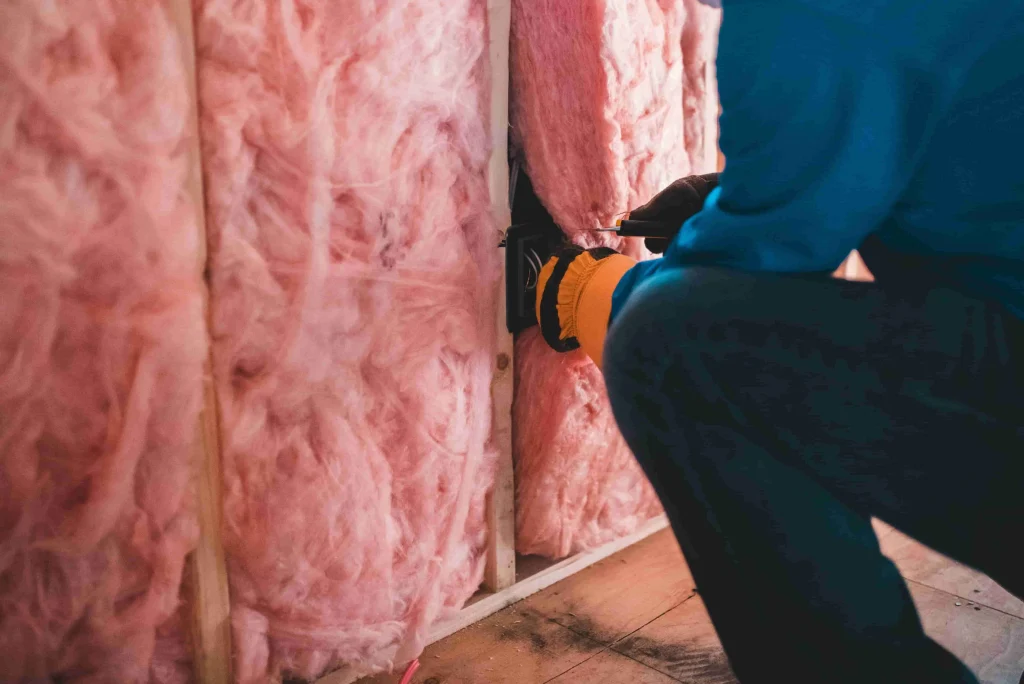
When it comes time to repair your home’s insulation, opt for a more sustainable option. Consider upgrading to eco-friendly insulation materials such as recycled denim or cellulose.
5. Recycling bins
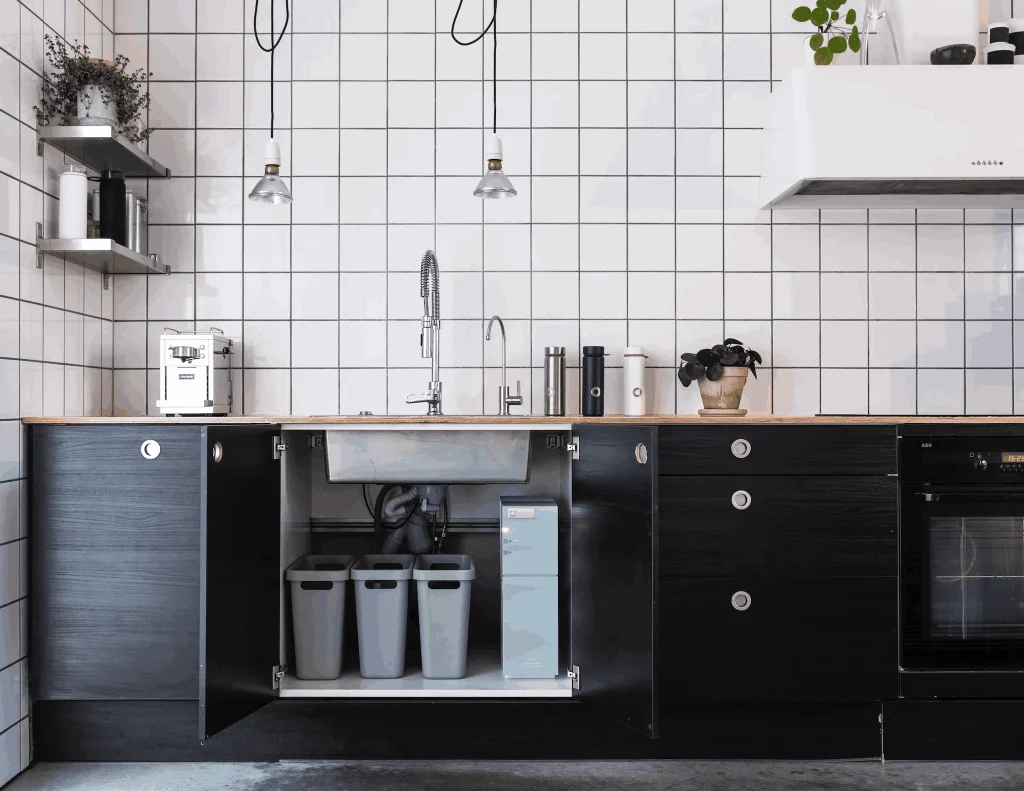
Embrace a home mantra of “reduce, reuse, recycle” whenever possible. So, how do we turn this mantra into action? Easy peasy! You could get separate bins for recycling waste or different bins for materials and one for clothes donation. That way, sorting out what can be reused or recycled becomes a breeze. Also, try repurposing items whenever possible and donate or recycle unwanted home goods rather than sending them to the landfill.
Try to minimize waste by opting for products with minimal packaging and, if available to you, buy in bulk to reduce plastic waste. You could also try setting up a composting system for organic waste, and if you have a garden, use it as nutrient-rich soil.
Implementing these simple, sustainable house improvements can create a healthier, more eco-friendly living space. Remember, creating a healthier living space takes time and every small change you make matters. Start small and gradually incorporate some of these home improvements for a healthier home—you’ll benefit the planet, save money, and live more consciously.
OVER TO YOU
Has this post helped you? If so, I’d love to hear about it! Let me know in the comments below.
And don’t hesitate to ask in the comments if you have any questions!
Save this post to read later.


Great read. We don’t realize all the areas of our home we can replace with healthier sustainable options
Yes, definitely, we can always make changes slowly, one at a time, when we need to make those replacements. 😀