
Everyday Plastic items to ditch and Alternatives To Switch To Today
Tired of seeing plastic waste everywhere? You’re not alone. Nearly everyone is searching for ways to cut down on single-use plastics and common plastic items that harm our planet. This guide will give you some straight, no-fluff, smart alternatives to common plastic items, making it easier for you to help reduce pollution and protect nature.
Ready to reduce your plastic footprint? Let’s go!
Affiliate Disclosure: This post contains affiliate links. Purchases made through such links will reward me with a small commission at no extra cost to you. As an Amazon Associate, I earn from qualifying purchases.
You can skip the read and GO to the swaps here ↓
Understanding the Problem with Plastic
Due to its non-biodegradable nature and the abundance of single-use plastics, plastic has a major impact on the environment. This leads to plastic pollution, contributing to landfill overflow and harmful effects on wildlife and human lives.
The impact of plastics on the environment
Plastics, especially those used once and thrown away, have become synonymous with convenience, but they can profoundly harm our planet. Most plastics make their way into oceans, endangering sea life. Besides, most common everyday plastic items don’t break down easily.
Every piece of plastic matters; its impact is profound.
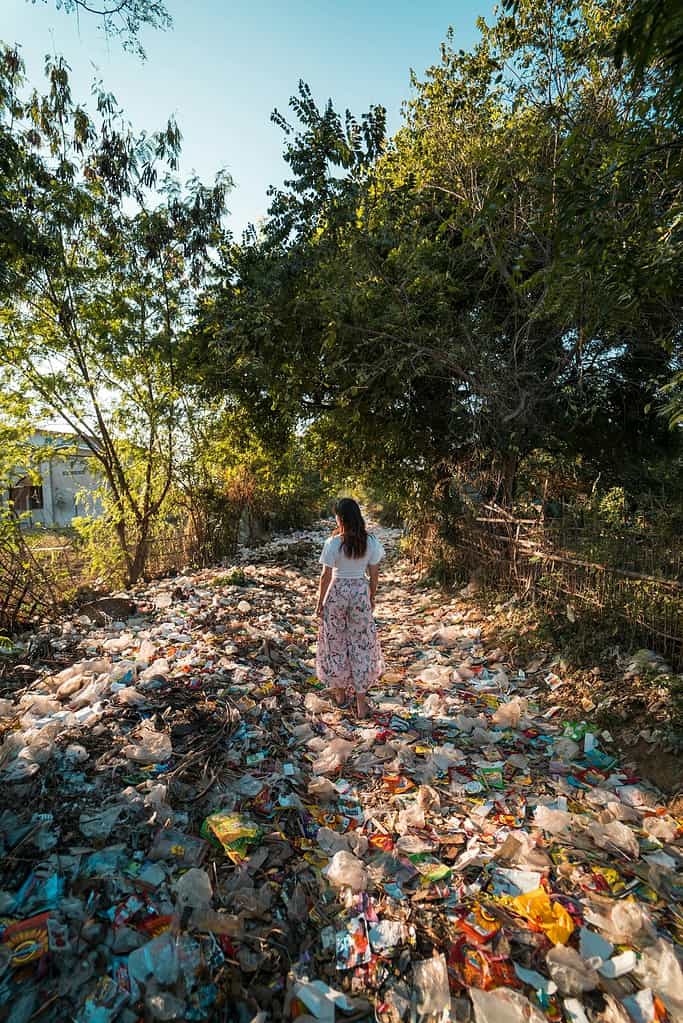
Despite recycling efforts, plastic is difficult to recycle. Besides, globally, most of our plastic waste does not get recycled – a staggering 79 percent – takes the scenic route to landfills or enjoys a spontaneous vacation in nature! and scatters across landscapes and waterways.
This pollution contributes to the increasingly worrying plastic pollution in the ocean, such as the Pacific Trash Vortex, a massive collection of marine debris where plastics outnumber sea animals six to one.
The bigger problems brought about by single-use plastics
The breakdown of plastic is already a problem in itself, but single-use plastics create an even bigger mess. Since they are so ubiquitous, they contribute significantly to plastic pollution.
The world churns out over 26 million US tons of polystyrene (that squishy plastic foam) annually. Meanwhile, Americans alone discard about 25 billion Styrofoam coffee cups each year – that’s enough cups to build a bridge to the moon, one coffee buzz at a time!
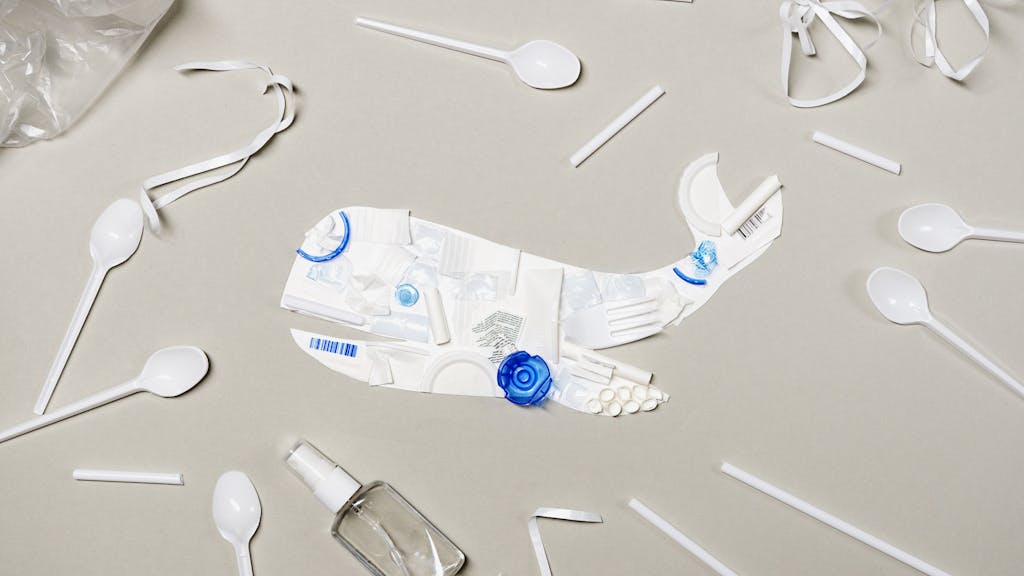
These plastics come from oil and gas, which, means they send a lot of carbon into the air. And when they’re thrown away, they don’t break down easily and can last for hundreds of years in dumps or the ocean.
Then, they start becoming smaller into bits called microplastics that even get into water , soil, and food systems.
Want to learn how to avoid microplastics? – check out this post → How to avoid microplastics? Plastics all around you, plastics inside you
As you can see, plastic items, especially single-use plastics or materials lined with them, pose a significant threat to plant’s and living creatures’ well-being – Definately -Not life centric approved!.
Now, let’s explore some better choices to minimize your plastic usage.
Swaps for common plastic items
How can you reduce or eliminate the use of these plastics? simple… slowly embrace alternatives to Common Plastic items that are better for the environment and your health. Follow simple changes and swaps like the ones below for everyday products you use to reduce single-use plastics in your daily life.
Alternatives to Common Plastic Items

Plastic Shopping ➔ Canvas bag
Plastic Cutlery ➔ Foldable metal cutlery
Plastic Containers ➔ Metal container | hot drink glass reusable cup | Cold drink glass cup
Plastic-lined cardboard ➔ Bento container | Biodegradable containers | Insulated tumbler
Plastic Bottles, Lids, straws ➔ Metal bottle, metal straw | glass straw | bamboo lids | glass lids
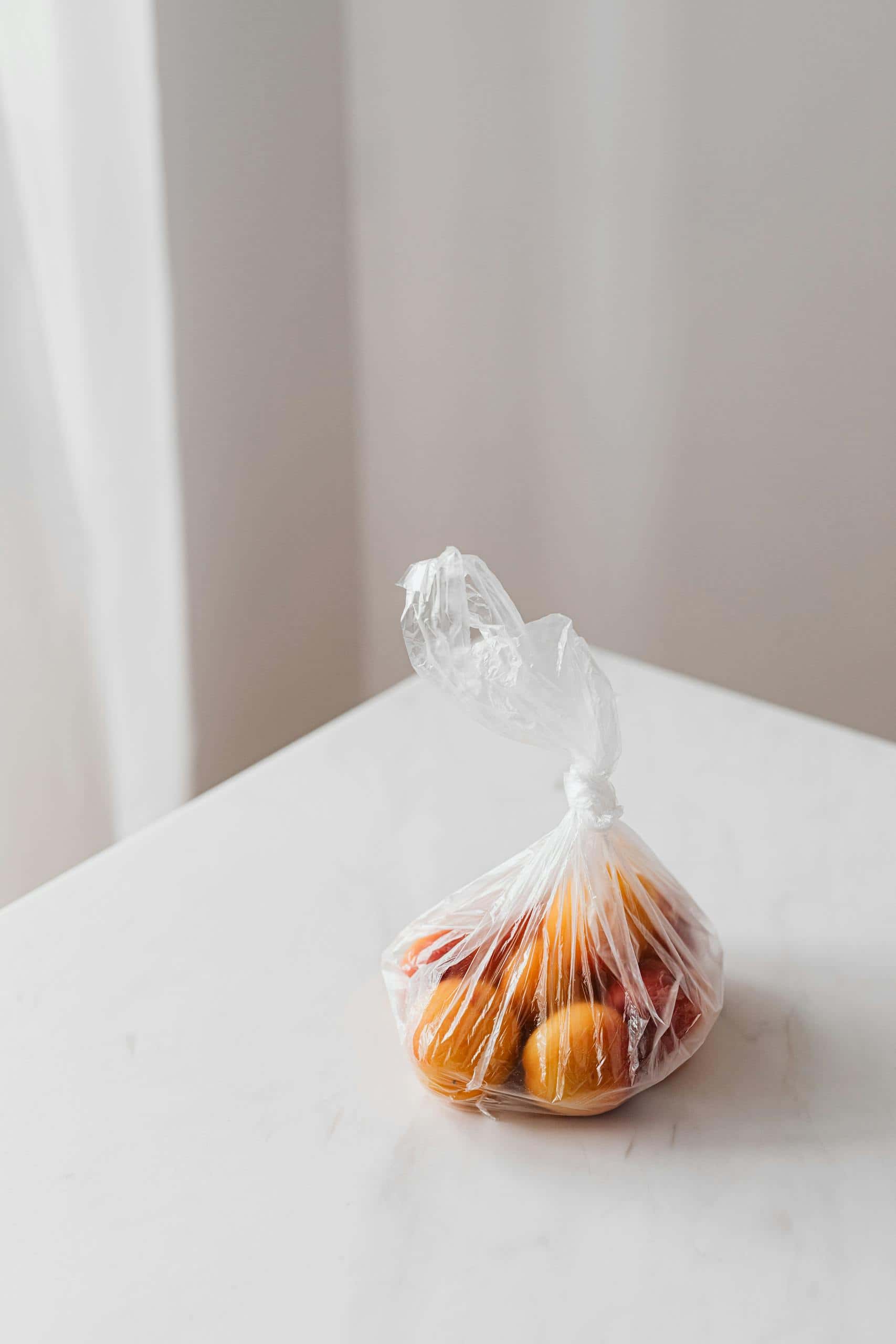
Plastic Vegetable Bags ➔ Cotton mesh bag
Additional Eco-Friendly Alternatives to Single-use plastic
Other plastic items or items with plasticizers that are typically associated with convenience—because they are easy to dispose of—also significantly contribute to plastic pollution. For instance, party balloons bring joy to any celebration, but their impact on the planet is far from harmonious. When balloons are released, they eventually burst and fall back to Earth, often landing in natural habitats where they threaten wildlife.
Even when balloons are disposed of properly, their synthetic materials can take years to decompose, contributing to the ever-growing plastic pollution problem. Though many balloons claim to be made out of latex, they still need plasticizers to have their degree of elasticity, so it’s best to consider swapping them for different types of paper decor that can make any party equally as fun and colorful.
Likewise, plastic gloves add another layer of contamination to our environment. These gloves seep into ecosystems and wreak havoc on marine life. Additionally, products we use daily, such as cosmetics, can have small plastics, such as microbeads in scrubs; the plastic packaging of these products further exacerbates the issue, filling landfills and polluting our oceans.
While these items might seem convenient, their long-term effects on the planet are anything but. Understandably, sometimes, some of these items are difficult to replace or avoid fully, but below are some ideas of cool alternatives that replace these items. ↓
Other Eco-Friendly Alternatives to Common Plastic Items

Balloons ➔ paper decor
Plastic gloves ➔ real latex gloves *if you are not allergic. Silicon gloves, silicone kitchen gloves. For limited applications, cotton gloves may be an option.
Body scrubs with microplastic beads ➔ for sugar or salt scrubs
Disposable razors, wax with plastics ➔ reusable razor | Sugar wax | epilator
Cosmetics with plastic containers ➔ low waste, clean cosmetics that are either plastic-free | have reusable Packaging or | plastic-reduced packing
Daily routine swaps to consider
The best first step is to switch to other materials that are just as convenient, durable, and non-harmful for the planet. Ask yourself what alternative you could use to replace X plastic item in your daily routines.
I like to ask myself what x item was made out of before the invention of plastic. That helps me look for and find alternatives for common plastic items.
Alternatives made of materials such as bamboo, stainless steel, glass, or ceramics are great reusable alternatives to plastics.
Unlike common everyday plastic items that can take hundreds of years to degrade in the environment, contributing significantly to landfill mass and ocean debris, objects made from the former material can biodegrade without leaving harmful toxins.
After their useful life, they break down into natural components, returning nutrients to the earth without leaving harmful residues.
These alternatives to Common Plastic items help reduce carbon emissions and waste management challenges associated with conventional plastics while offering practical solutions that positively impact our surroundings.
Below are some other great ideas of where to start and where to swap ↓
Plastic-free cutlery and straws
Stainless steel, bamboo, or silicone straws provide sustainable options that can significantly reduce the negative impact of single-use plastic straws on the environment. These reusable alternatives offer a practical solution to combat the excessive use of plastic straws and help create a healthier planet.
Foldable metal cutlery is another durable choice, and it is easy to carry around for those fo us that are forgetful people.
Biodegradable organic cotton bags
Organic cotton bags offer a sustainable and eco-friendly alternative for daily use. These bags are made from natural cotton fibers that decompose easily in the environment, reducing the impact of plastic waste on our ecosystems and oceans.
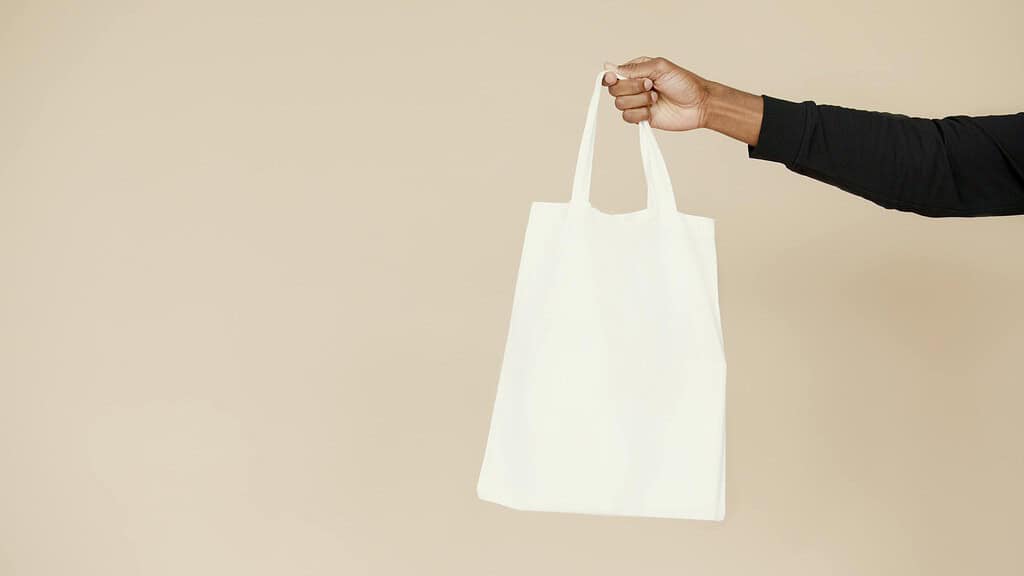
Canvas bags can be used instead of plastic shopping bags. The switch to biodegradable organic cotton bags not only decreases plastic pollution but also helps conserve non-renewable resources.
Glass or stainless steel water bottles
In a world where plastic debris has become a pervasive issue, making conscientious choices like embracing glass or stainless steel water bottles is pivotal in combatting this ever-growing problem.
Borosilicate glass bottles, known for their durability and non-toxic properties, are an excellent choice.
Alternatively, reusable stainless steel bottles can significantly reduce single-use plastic waste. Both options offer long-term sustainability and are ideal for reducing the environmental impact of plastic beverage containers.
Switching to these alternatives benefits the environment and enhances personal health by eliminating exposure to harmful chemicals often found in plastics.
Bamboo toothbrushes
Bamboo toothbrushes are an eco-friendly option. They reduce the need for plastic toothbrushes and can be composted after use, minimizing environmental impact.
Bamboo is a sustainable material that grows quickly, making it a renewable resource for creating toothbrushes.
Just bear in mind that many bamboo toothbrushes have nylon (PLASTIC) bristles. If you want to find a biodegradable option, check out this page: → Simple swaps to get you started on a healthy life.
Wool or Hemp dryer balls
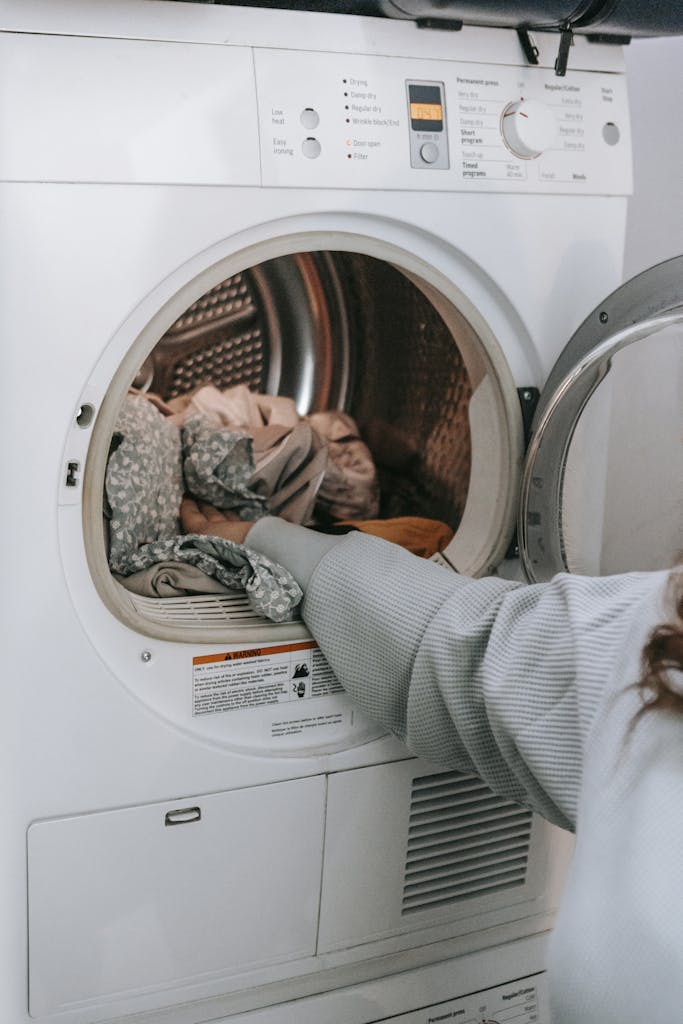
Both Wool dryer balls and Hemp dryer balls reduce the need for disposable dryer sheets, making them an eco-friendly alternative. These reusable balls work by naturally softening fabrics and reducing drying time, reducing energy usage.
By eliminating the use of chemical-laden dryer sheets, you can contribute not only to preventing plastic waste from entering oceans and waterways with every laundry load but also to a healthier indoor environment for you and your family.
These dryer balls are made with natural fibers and can be reused over many cycles, allowing for cost-effective and sustainable laundry care.
Beeswax food wrap
Beeswax food wrap is a sustainable and reusable alternative to plastic wrap. It’s made out of cotton infused with beeswax, tree resin, and jojoba oil, creating a flexible cover for food containers.
I like to use mine to cover guacamole or fruits like apples that tend to oxidize quickly, and it does help make them last longer.
Replacing plastic wrap with an eco-friendly wrap alternative reduces the need for plastic.
Plus, beeswax’s natural antibacterial properties help keep food fresh, while its pliability allows it to mold tightly around various shapes.
Making the Switch to Plastic Alternatives
Switching to plastic alternatives benefits the environment and your health. Many of these alternatives were the norm back in the day before the advent of plastics, but today choosing to opt for a durable plastic-free alternative can also empower you.
Small changes can make a big impact, leading to a plastic-free or plastic-reduced lifestyle.
Benefits for the environment and your health
Switching to plastic alternatives benefits both the environment and your health. By embracing eco-friendly options, you can help decrease greenhouse gas emissions, lessen the amount of non-biodegradable waste in landfills, and minimize the harmful impact on marine life.
Additionally, choosing sustainable materials like organic cotton, bamboo, and stainless steel for everyday items can lower your exposure to potentially hazardous chemicals found in plastics.
For example, opting for reusable products such as glass water bottles reduces your reliance on disposable items that can contain polyfluoroalkyl substances (PFAS), known as “forever chemicals.” These pesky harmful chemicals linger in human bodies and ecosystems, thereby lowering potential health risks caused by long-term exposure to these harmful compounds.
Small changes make a big impact.!
Though you may think my small changes don’t matter. Small changes in our daily choices can have a significant impact on reducing plastic waste.
Adopting eco-friendly alternatives may seem like a small step , yet its effects are profound.
Making these small swaps empowers you. Opting for these alternative swaps can have an impactful effect on an individual and collective greener and healthier way of living.
But hey, don’t sweat it! Swap what you can and reduce what you can’t.
OVER TO YOU…
Are you going to implement one or more of these tips? I’d love to hear which one(s) and how you get on!
Do you have any additional Tips for Avoiding single-use plastics? Let me know in the comments below.
Pin this post to read later.


Thank you for these tips, we’ve incorporated some of them already and want to include more. We travel part-time as digital nomads, my significant other and I have personal cutlery with metal straws, spoon, fork, and knife set that has been so useful.
When we are at home, we switched to all glass food storage and bring our stainless steel water bottles everywhere.
Thank you for sharing! It’s wonderful to hear that you guys manage to enjoy travelling sustainably. Traveling part-time as digital nomads with personal cutlery sets and metal straws sounds fantastic and so practical!!
I love the idea of carrying stainless steel water bottles, it also helps you keep hydrated
Keep up the good work guys ! and feel free to share any other tips you find helpful on your journey
I am slowly making all the swaps I can to live as toxic free as I can! Now, as to being no waste friendly, is there anyway to give life to the plastic items that are already in our household? Not just plastic bags but, spray bottles for cleaners, would they be harmful if I used them for homemade natural cleaners? I have so many questions about plastic and whether it is harmful to us just by existing or just when heated? Would it harm me to use containers I have for freezing foods? I am looking for any advice as to what life to give thos plastic products we have at home so they do not end up in landfills anyway! (But also without harming me and my body)
I get how you feel—it can be tricky! but slow changes are the way to go.
I’d say it makes sense to use what you already have. I try to make the most of plastics before replacing them. If they’re still in good shape, I keep using them—especially a spray bottle for my hair. I avoid using them for acidic or oil-based cleaners, as these can break down plastic and cause more leaching.
As I see it, plastic can be harmful because it bioaccumulates, leaches chemicals, some of which can be toxic, and breaks down into microplastics over time. These microplastics are now found in our bodies, water, and ecosystem, though plastic isn’t the most toxic thing out there, it’s far from ideal. Since exposure is unavoidable, I wouldn’t overthink it—just have a plan to phase it out when buying new items.
Heat and UV exposure speed up plastic degradation, so I avoid heating plastic when possible. I used to freeze food in plastic containers until I gradually replaced them. If yours are still working, I’d keep using them until they scratch, crack, or wear out—then swap for a safer option.
If they can be recycled at the end of their life, go for it. Or repurpose (planters, organizers ) them to extend their use as long as possible.Feel free to email me any questions—I’d be happy to help!